Tree Disease Treatment in Little Rock, AR
Targeted treatment for fungal, bacterial, and vascular diseases common to central Arkansas's oak, pine, and ornamental trees.
Tree disease in central Arkansas tends to follow a predictable pattern shaped by the region's humid summers, clay-heavy soil, and occasional standing water after heavy rain. Oak wilt, various root rots, fire blight in ornamental pears, and fungal leaf spots are among the most common issues we diagnose and treat, and each requires a different approach depending on how the disease spreads and how far it has progressed by the time we're called in.
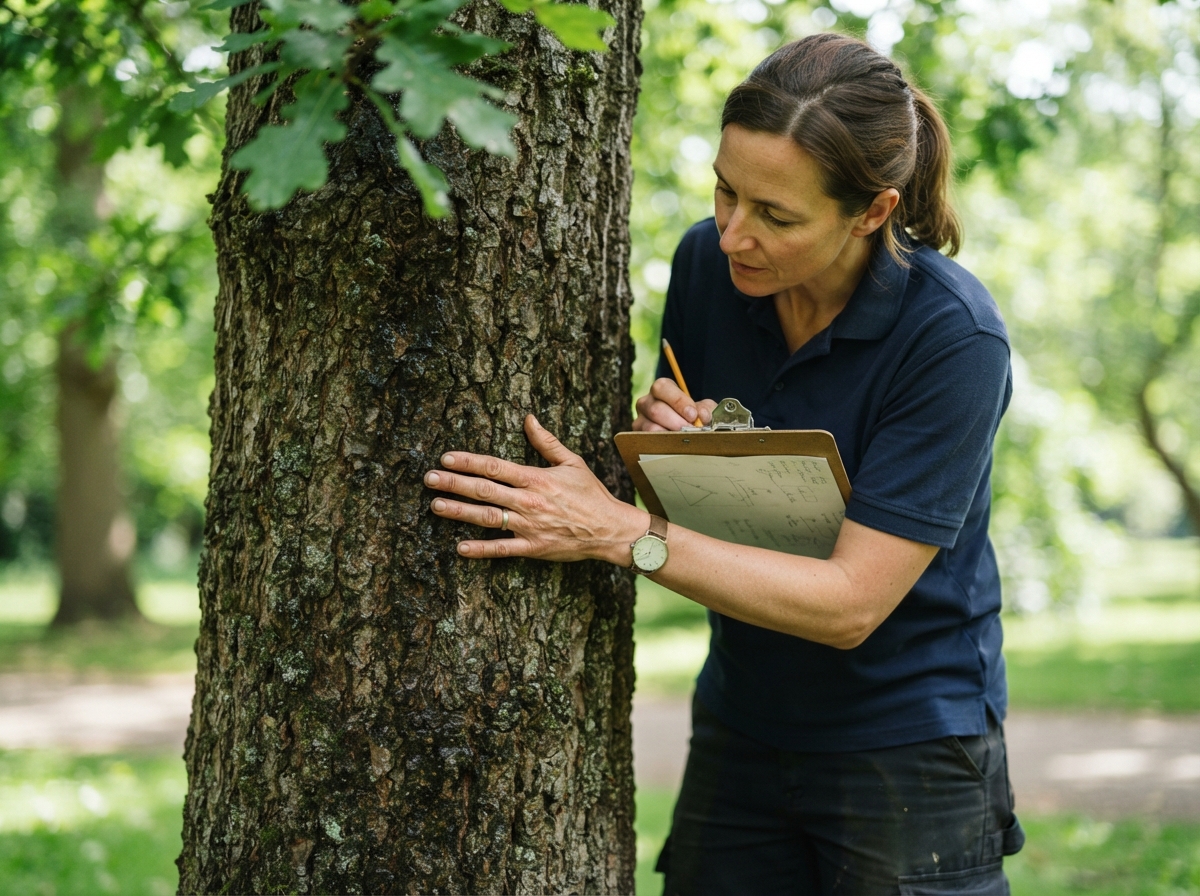
Correct diagnosis comes first, always. Two diseases can produce visually similar symptoms — thinning canopy, discolored leaves, or bark abnormalities — while requiring completely different treatment. Misdiagnosing a fungal issue as a nutrient deficiency, for example, wastes time the tree may not have. We identify the specific pathogen or condition through visual inspection and, when needed, more detailed sampling, before recommending a treatment plan.
Treatment methods vary by disease: some fungal issues respond well to targeted fungicide application, vascular diseases sometimes require trunk injection to deliver treatment directly into the tree's circulatory system, and root-zone issues often need soil amendment or drainage correction alongside direct treatment. We're honest about odds — some diseases caught early respond very well to treatment, while others, caught late, may only be manageable rather than curable. In cases where a tree's decline is too advanced, we'll tell you plainly rather than sell you a treatment plan with little chance of success.
- Accurate diagnosis before any treatment begins
- Trunk injection & soil treatment options
- Follow-up visits to track treatment progress
- Honest guidance on treatment vs. removal
Explore Sibling Services
Disease Treatment Questions
Oak wilt, root rot from persistently wet soil, fire blight in ornamental pears, and various fungal leaf spots are among the most common issues we treat locally. The right treatment depends entirely on correctly identifying which one you're dealing with.
It varies by disease and treatment method, but most homeowners see visible improvement within one to two growing seasons. We schedule follow-up visits to track progress and adjust the treatment plan if needed.
Give Your Tree the Best Chance
Get a free, honest assessment and treatment plan — no pressure, no obligation.